
Classic Centipede
The standard Centipede cultivar. Light to medium green color, slow growth, very low maintenance. Common pick for residential lawns and new construction homes that want a real lawn without the work.
Local delivery available across Greater New Orleans.
Centipede grass is a low-growing, slow-spreading, medium-textured warm-season grass that produces a dense, attractive turf with very low maintenance. Light to medium green color, drought tolerant, and the easy-care choice for residential lawns and new construction homes that want lower mowing and lower fertilizer.
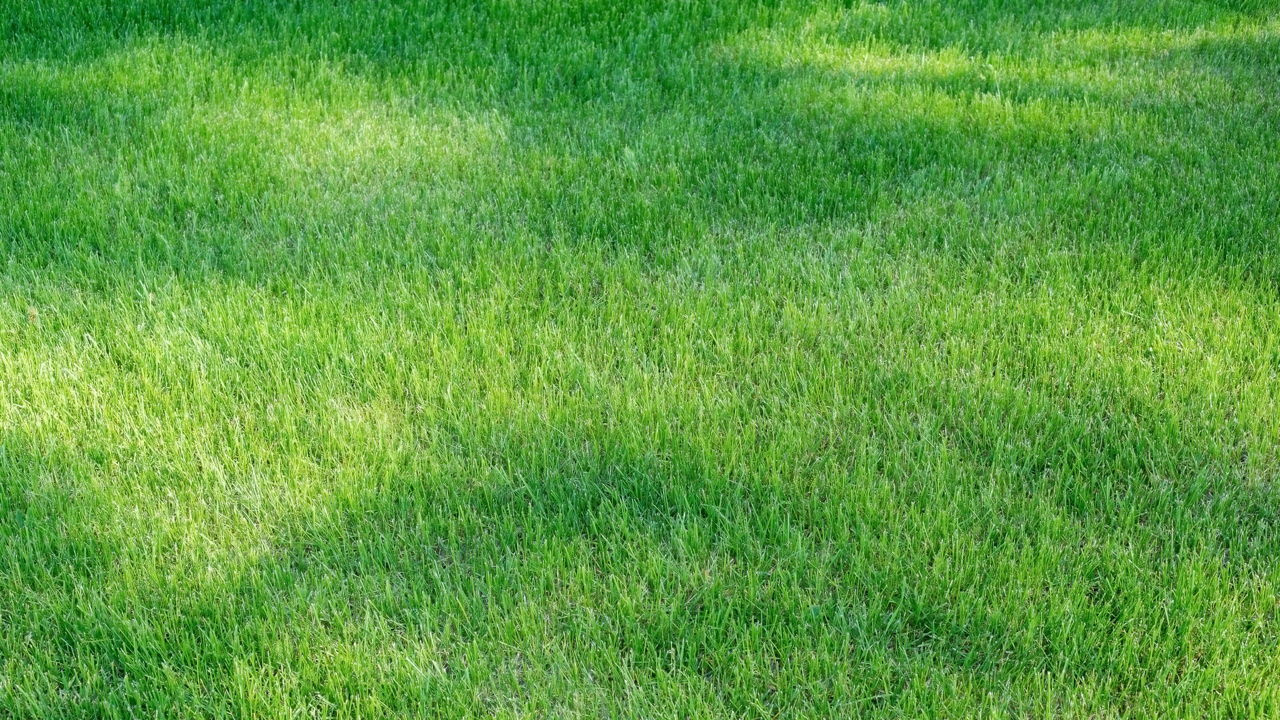
Centipede is a warm-season grass native to Southeast Asia (China and Southeast China specifically) that has been used in the Southern United States since the 1920s. It grows slowly, spreads by stolons only, and stays low without frequent mowing. It is the lowest-maintenance warm-season grass commonly available for Southern lawns, which makes it a strong fit for rural-edge lots in places like Houma and the surrounding bayou country. Centipede tolerates poor, acidic soils that other grasses struggle with, and it does not want heavy fertilization. Over-fertilizing actually damages it. Centipede is recommended for USDA plant hardiness zones 7 through 10. It is sometimes called "the lazy lawn grass" because it asks less of you than any other warm-season grass.
In our experience. Centipede is what we recommend when you want a lawn but you do not want to be a lawn person. Mow it every two to three weeks. Fertilize once a year. Water during drought. Done. Common pick for new construction homes, rental properties, and back lots where the goal is presentable, not picture-perfect, including a lot of post-Ida rebuild lots out in LaPlace.
Orleans Sod, Since 2014
Water deeply once a week during dry stretches. Centipede is fairly drought tolerant. Mow at 1.5 to 2 inches every 10 to 14 days during the growing season. Fertilize lightly ONCE per year in late spring with a low-nitrogen turf fertilizer rated for centipede. Do not over-fertilize, that damages it. Watch for centipede decline (yellowing in spring) which usually indicates over-fertilization or too-low pH. Centipede prefers slightly acidic soil (pH 5.0 to 6.0). For homeowners weighing Centipede against the higher-maintenance options, see how all four grasses compare on shade tolerance, traffic, and fertilization needs.
These are the primary Centipede cultivars we sell. Each one performs well in South Louisiana conditions.
The standard Centipede cultivar. Light to medium green color, slow growth, very low maintenance. Common pick for residential lawns and new construction homes that want a real lawn without the work.
University of Georgia release with better cold tolerance and slightly better color than Classic. Good for properties at the upper edge of Centipede growing range or in colder microclimates.
Not sure which cultivar fits your yard? Call us at 504-342-4424 and describe your sun exposure, soil, and traffic. We will tell you which one to buy.
Measure length times width of your lawn area in feet to get square footage. Divide by 450 (the coverage of one pallet). Round up. Example: a 2,000 sq ft yard needs 5 pallets.
Every 10 to 14 days during the growing season. That is roughly half the mowing frequency of Bermuda. Centipede grows slowly, which is why it is the easy-care pick.
Once per year, in late spring, with a low-nitrogen fertilizer rated for centipede grass. Over-fertilizing damages Centipede. This is the opposite of how you treat St. Augustine or Bermuda.
Plan on 2 to 4 weeks of deep daily watering before roots take hold. Centipede is the slowest-establishing grass we carry but locks in tight once it does. Full coverage takes 6 to 8 weeks.
Lightly. It tolerates light foot traffic but will wear in high-use areas and recover slowly. If your yard sees daily kid or dog traffic, go with Zoysia instead.
Most likely over-fertilization (centipede decline) or pH too high. Centipede wants slightly acidic soil, pH 5.0 to 6.0, and very light fertilization. A soil test from your local extension office tells you which is the issue.
Compare Centipede against the other three warm-season grasses we deliver across Greater New Orleans.
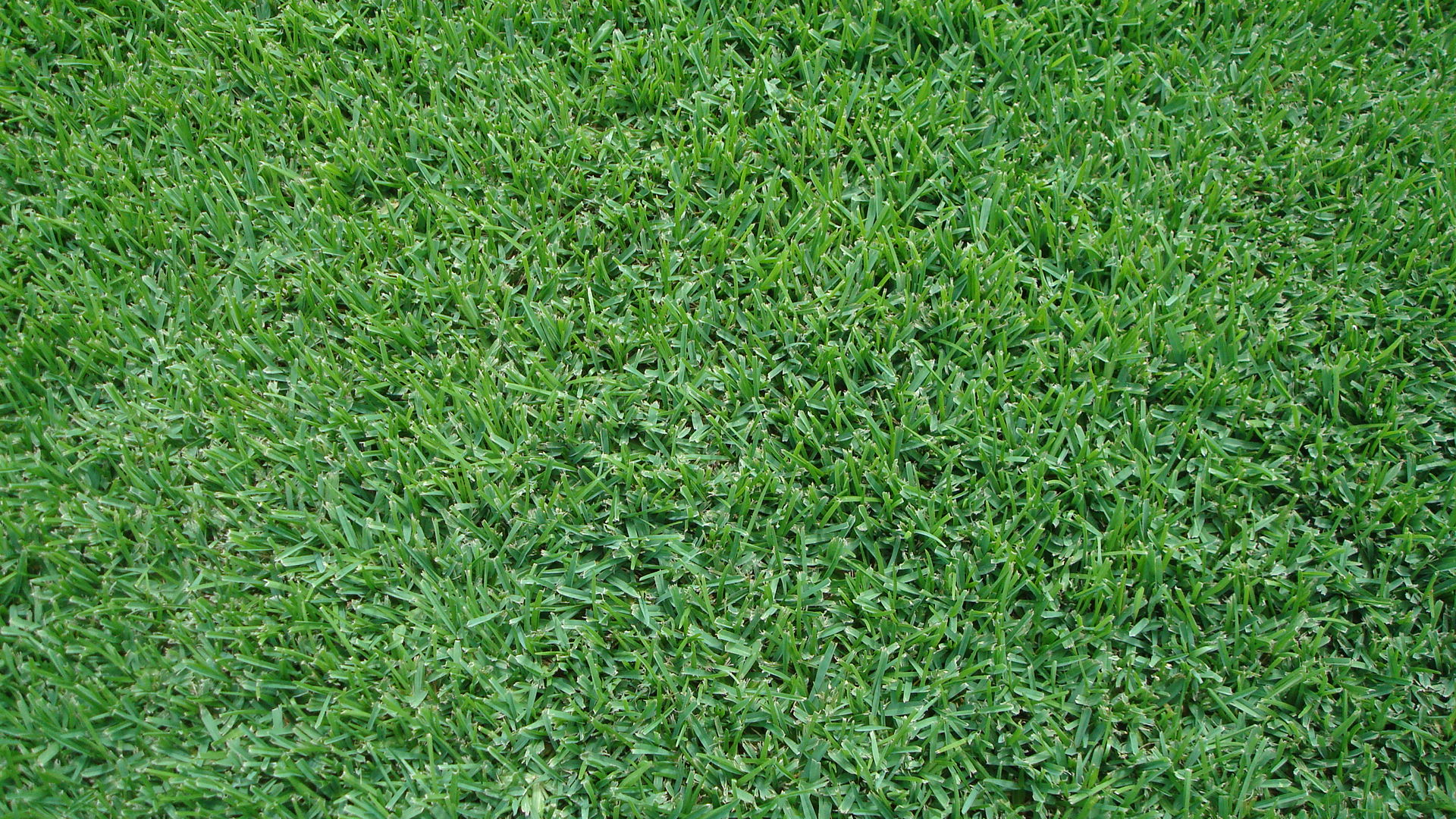
Wide blade, dense growth, and the most shade-tolerant warm-season grass we sell. The most popular grass across the Gulf Coast.
Best for yards with mixed sun and shade, family lawns, and Greater New Orleans properties under live oak canopies.
Cultivars we carry Classic St. Augustine , Palmetto St. Augustine
More about St. Augustine Grass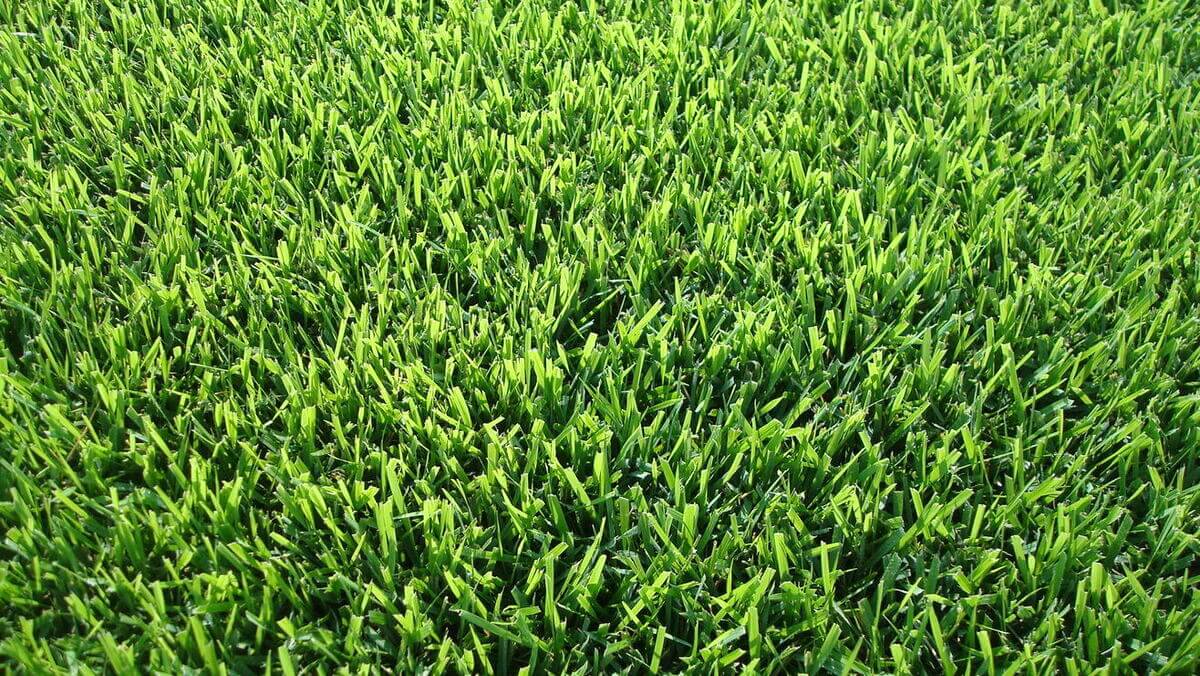
Zoysia comes in fine and medium blade varieties with a dense, carpet-like feel. It handles heavy foot traffic, recovers quickly from wear, and feels thick and soft underfoot.
Best for family yards with kids and pets, full sun to medium shade.
Cultivars we carry Palisades Zoysia , Empire Zoysia
More about Zoysia Grass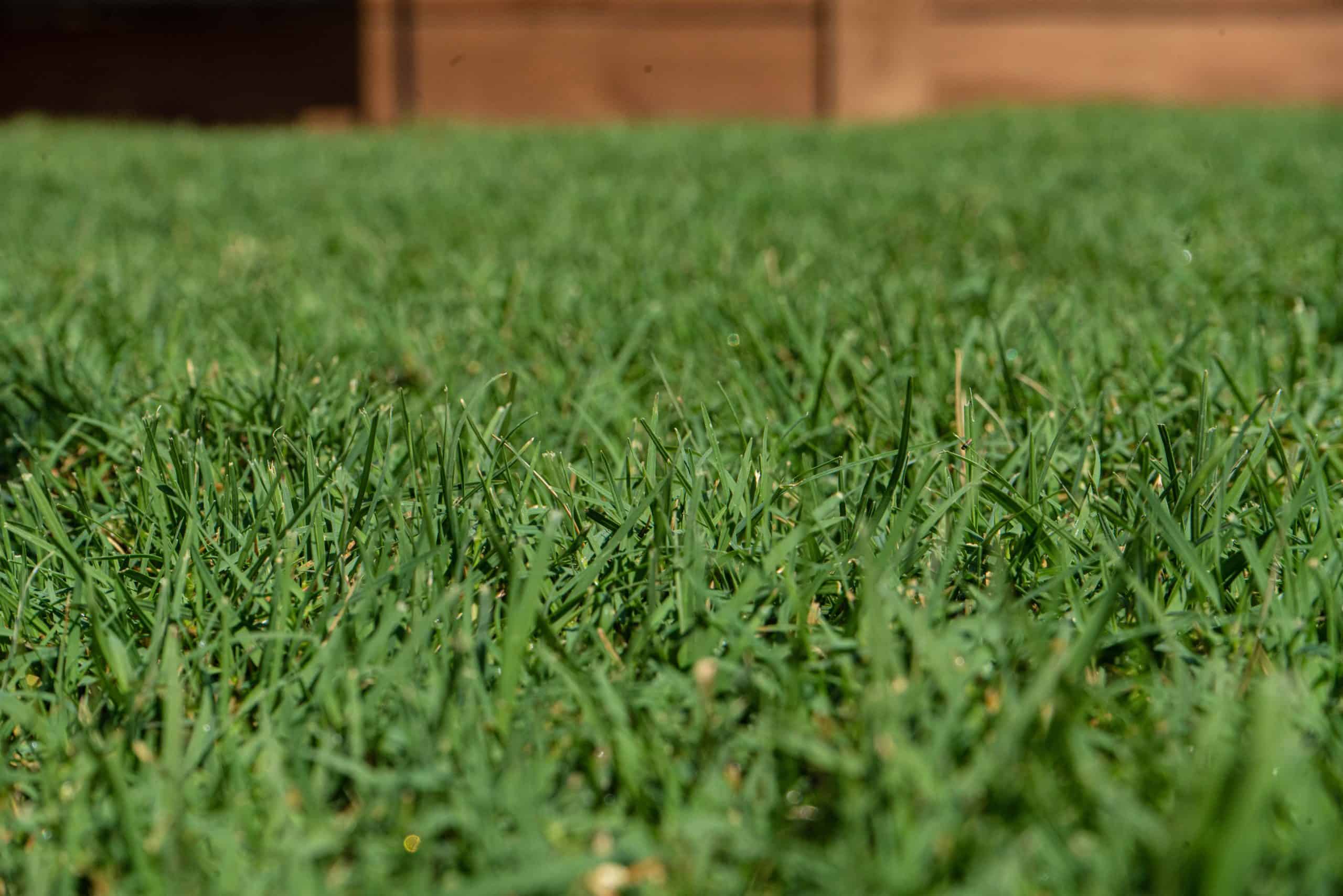
Bermuda is a fine blade, fast growing, drought resistant, and hot climate tough grass. It recovers quickly from heavy foot traffic and stress with maintenance.
Best for full-sun yards, athletic and play areas, and high-traffic lawns.
Cultivars we carry Tifway 419 , TifTuf Bermuda , Celebration Bermuda
More about Bermuda GrassMedium blade, light green color, low maintenance. Heat tolerant and comfortable in acidic Gulf Coast soils. Often called the lazy lawn grass.
Best for low-traffic yards, full sun to light shade, and homeowners who want minimal mowing and fertilization.
Cultivars we carry TifBlair Centipede
You are hereMeasure your yard square footage. Divide by 450 for the number of pallets you need.
Call 504-342-4424 or order Centipede sod online.
Pick your delivery date.
We deliver straight from the farm to your property.
Tell us about your project and we will reply within one business day with a quote. Or call us at 504-342-4424, Mon-Fri 7am-5pm, Sat 8am-2pm.